3D Printing in Architecture

3D Printing in Architecture
3D printing is revolutionizing the construction industry, allowing for rapid prototyping and innovative designs. This post examines how 3D printing technology is being utilized in architecture, from creating intricate building components to entire structures. The implications of this technology for the future of construction are profound.
Applications of 3D Printing
- Rapid Prototyping: Speeding up the design process.
- Custom Designs: Enabling unique architectural features.
- Cost Efficiency: Reducing material waste and labor costs.
As 3D printing technology advances, its impact on architecture will continue to grow.

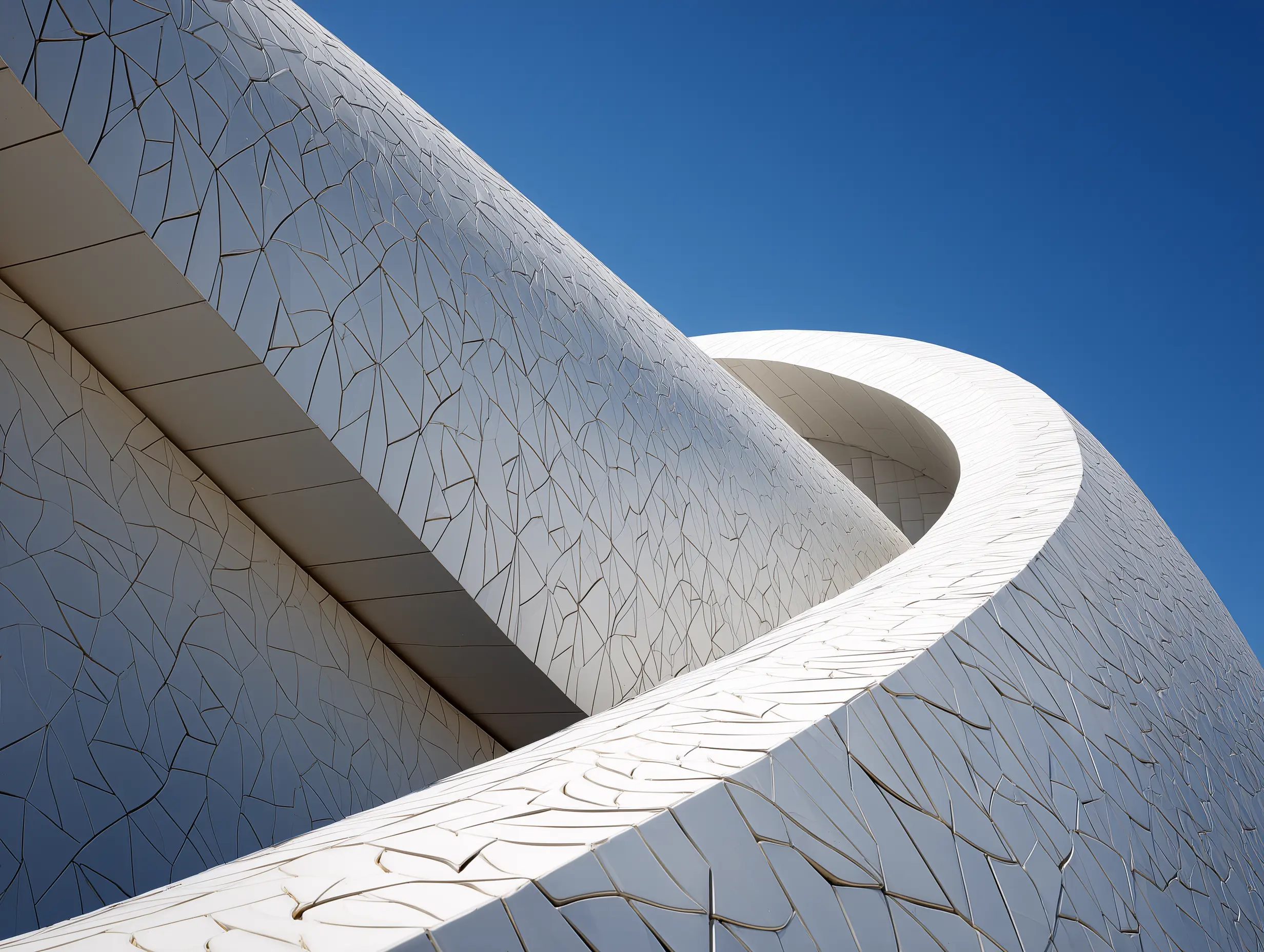
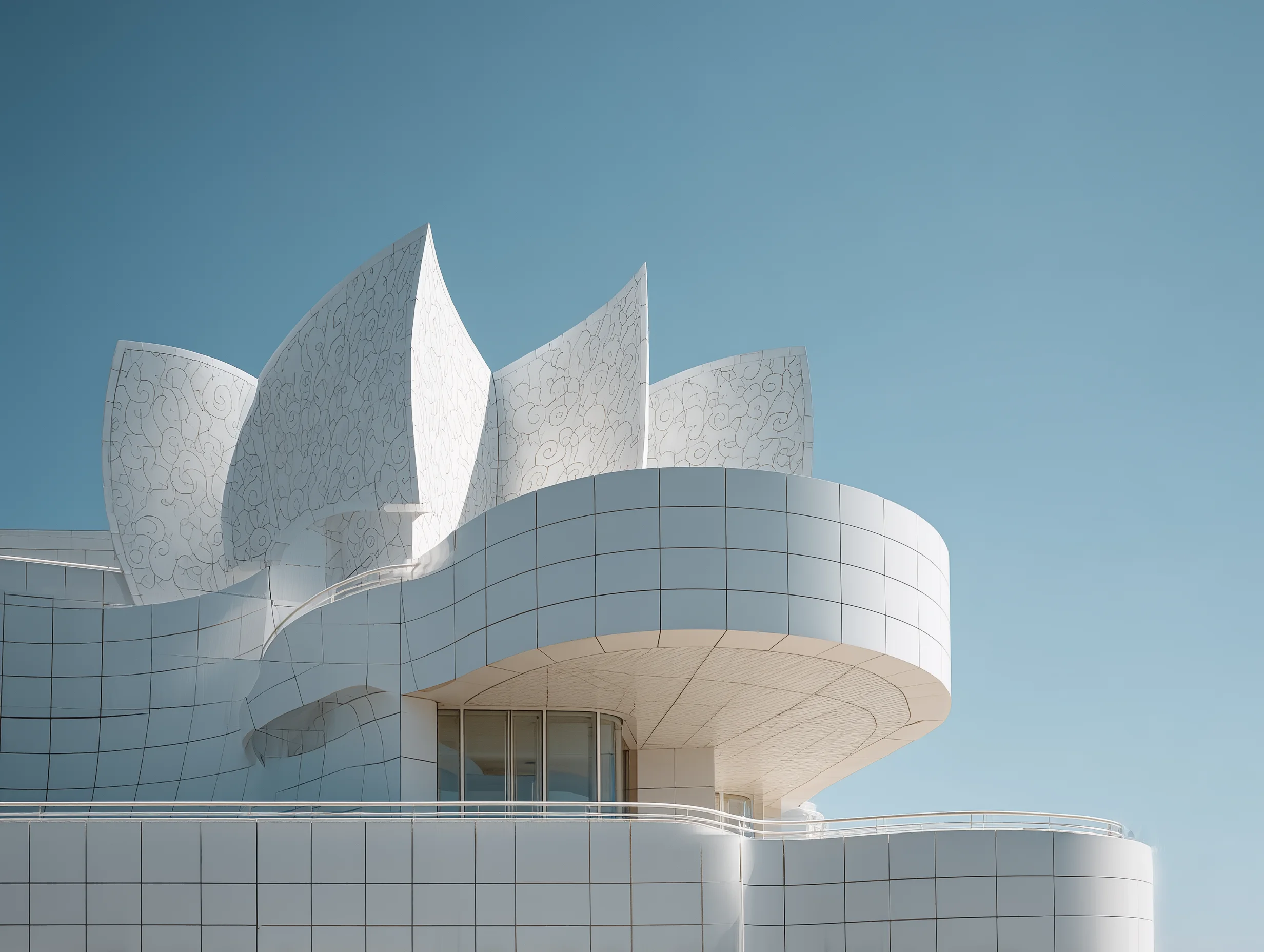
Beyond mere prototyping, 3D printing is enabling architects to create complex geometries and organic forms that would be prohibitively expensive or impossible with traditional construction methods. This opens up a new era of architectural expression, allowing for greater customization and the creation of unique, site-specific designs. Moreover, 3D printing allows for the integration of multiple functions within a single printed component, reducing material waste and streamlining the construction process.
Potential
The potential for 3D printing to address housing shortages and disaster relief is also significant. By enabling rapid and on-site construction, 3D printing can provide affordable and resilient housing solutions in areas with limited resources or following natural disasters. The ability to use locally sourced materials for printing further enhances the sustainability and accessibility of this technology. Research is also underway to develop 3D printing techniques that utilize recycled materials, contributing to a circular economy in construction.
Integration
The integration of 3D printing into architecture is not without its challenges, including material limitations, scalability issues, and the need for skilled labor. However, as the technology continues to evolve and become more accessible, its impact on the construction industry will only grow. The ability to create complex, customized, and sustainable structures with greater speed and efficiency marks a paradigm shift in architectural design and construction.
The history of architecture is not just stones and drawings, it's a footprint of time, telling us who we were and who we can become.